
From Nervous Learner to Confident Driver: Making Every Practice Session Count
Confidence Begins Before the Test Learning to drive can feel strange at first. You’re sitting in the driver’s seat, trying to remember mirrors, signals, speed, signs, pedestrians and about a dozen other things at once. Then someone mentions the road test, and…
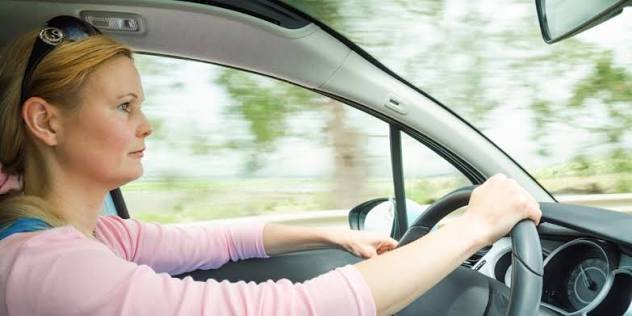
Confidence Begins Before the Test Learning to drive can feel strange at first. You’re sitting in the driver’s seat, trying to remember mirrors, signals, speed, signs, pedestrians and about a dozen other things at once. Then someone mentions the road test, and suddenly every small mistake feels much bigger than it really is. The…
Confidence Begins Before the Test
Learning to drive can feel strange at first. You’re sitting in the driver’s seat, trying to remember mirrors, signals, speed, signs, pedestrians and about a dozen other things at once. Then someone mentions the road test, and suddenly every small mistake feels much bigger than it really is.
The truth is, good driving isn’t about being perfect. It’s about being prepared, alert and able to make sensible decisions when things don’t go exactly as planned. That’s why proper practice matters so much. The more realistic your training is, the more naturally safe habits tend to develop.
Preparing for the Road Test
A driving test can be stressful, but preparation can take much of the mystery out of it. Road test preparation should involve more than simply practicing the route where the examination might take place.
Learners should become comfortable with the basic skills an examiner expects to see: smooth starts and stops, proper signaling, lane changes, turns, parking, speed control and awareness of surrounding traffic. It’s also worth practicing these skills in different situations instead of repeating the same quiet road over and over.
One useful approach is to have an instructor conduct a mock test. No hints, no reminders, just a realistic practice run. It can reveal habits that might otherwise go unnoticed.
And yes, making mistakes during practice is completely normal. That’s what practice is for.
Understanding Defensive Driving
Passing a driving test is one milestone. Staying safe afterward is the bigger achievement.
Defensive driving teaches motorists to think ahead rather than simply react. Drivers learn to watch for possible hazards, maintain safe following distances and remain prepared for the unexpected behavior of others.
The defensive driving techniques taught during professional instruction can be especially valuable in busy environments. A driver might have the right of way, for example, but that doesn’t mean another motorist will always recognize it. Staying alert and leaving room to react is often the wiser choice.
Defensive driving also means knowing when not to take a risk. If visibility is poor, traffic is heavy or another driver appears unpredictable, slowing down may be the smartest move.
Getting Comfortable on the Freeway
For many new drivers, freeway driving feels like a completely different world. Vehicles are moving faster, entrances and exits come quickly, and there may be several lanes of traffic moving at once.
The freeway can seem intimidating initially, but structured practice makes a big difference. Learners should understand how to enter traffic safely, match the flow of vehicles, maintain an appropriate following distance and check mirrors before changing lanes.
Merging deserves particular attention. Drivers need to judge gaps instead of forcing their way into traffic. At the same time, they shouldn’t slow unnecessarily on an entrance ramp because that can make merging even more difficult.
Once these skills become familiar, freeway driving often feels much less dramatic than it did during those first few attempts.
Learning to Read City Traffic
City driving brings its own challenges. There are pedestrians, cyclists, buses, parked cars, delivery vehicles, traffic lights and intersections competing for your attention.
This is where city and traffic driving practice becomes incredibly useful. Learners need experience dealing with stop-and-go traffic, narrow streets, crowded intersections and drivers who may change lanes without much warning.
One good habit is to keep your eyes moving. Don’t stare only at the vehicle directly ahead. Look farther down the road and check the sides, mirrors and intersections. That broader awareness gives you more time to react.
Parking should also be included in city practice. Parallel parking, angled spaces and tight parking lots can all be challenging when you’re still developing confidence. With repetition, though, they become much less intimidating.
Handling Unexpected Situations
Real roads don’t follow a script. A pedestrian may step near the roadway. A vehicle may brake suddenly. A cyclist could appear beside you, or heavy rain may reduce visibility within minutes.
Learners should practice responding calmly to these situations. Sudden braking, for example, shouldn’t automatically lead to panic. The driver needs to stay focused, control the vehicle and assess what is happening around them.
Weather deserves attention, too. Driving in rain can reduce visibility and increase stopping distance. Wet roads require more space and smoother movements. Night driving brings another set of challenges, particularly glare from headlights and reduced visibility of pedestrians.
These experiences help turn classroom knowledge into practical judgment.
Building Good Habits Behind the Wheel
The best driving habits are often simple ones. Buckle your seat belt before moving. Check mirrors regularly. Signal early. Keep both hands appropriately positioned on the wheel. Avoid unnecessary phone use.
Most importantly, don’t rush.
People sometimes drive aggressively because they’re running late, frustrated or simply impatient. But arriving three minutes earlier isn’t worth creating a dangerous situation. A calm driver has more mental space to notice what’s happening around them.
Parents and experienced drivers can help new motorists by modeling these habits. Learners notice more than we think. If an experienced driver constantly checks their phone or speeds through yellow lights, a new driver may assume that behavior is normal.
Practice Creates Long-Term Confidence
Confidence shouldn’t come from believing you can handle everything. It comes from knowing what to do when something unexpected happens.
That confidence develops gradually. One day, changing lanes feels terrifying. A few weeks later, it becomes routine. Parking once took five attempts; eventually, you can do it without thinking too hard about every movement.
Good instruction provides the foundation, but repetition turns that foundation into skill.
Becoming a Responsible Driver
Learning to drive is ultimately about much more than earning a license. It’s about becoming responsible for your own safety and the safety of everyone sharing the road with you.
A successful driver knows the rules but also understands when caution matters more than convenience. They respect pedestrians, stay patient in traffic and recognize that other people can make mistakes.
The road will always contain surprises. That’s part of driving. What matters is how prepared you are to handle them.
With thoughtful instruction, realistic practice and a willingness to keep learning, nervous beginners can become calm, capable motorists. And honestly, that’s the kind of confidence worth having—not the confidence to drive faster, but the confidence to drive smarter.
Confirm the facts before you commit.
Check deadlines, fees, eligibility, accreditation, admission rules and official notices directly with the relevant institution, examination body or government authority.
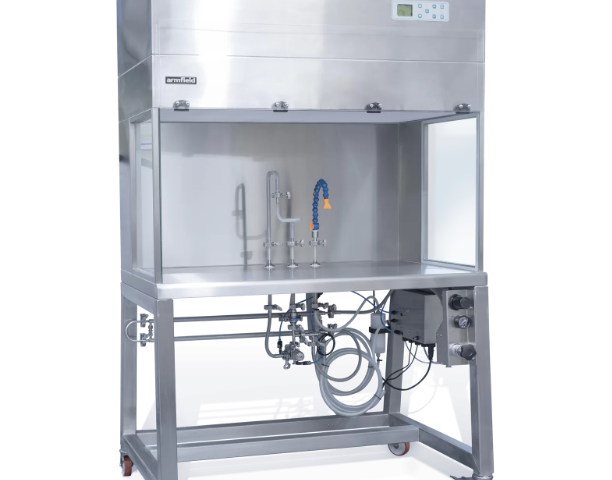
Building Practical Engineering Skills with Armfield
Engineering education is most effective when theoretical knowledge is reinforced by practical experience. Students may understand equations, principles and process diagrams in the classroom, but working with real…
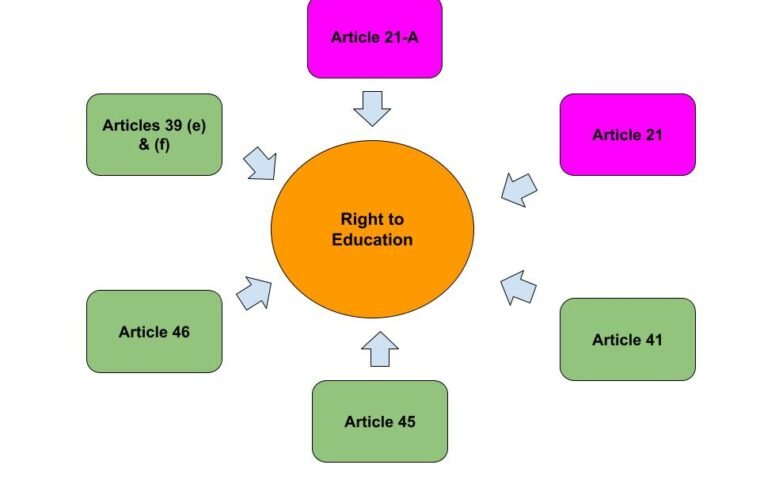
Right to Education Act India: What Every Parent Should Know
A few months back, a relative of mine in Jaipur was trying to get her son admitted into a private school under a reserved quota, and honestly, she…